Formatting in contemporary poetry has gone out of hand. I see submissions with great poetic ideas and crazy formatting. What began as an occasional, meaningful deviation has hardened into a habit, and now into a mannerism. Excessive spacing between words, arbitrary line breaks, theatrical indentations, and typographic tricks try to pass for innovation. In reality, they add nothing of value and are just stupid. They weaken the verse and any rhetorical device imbedded in it.
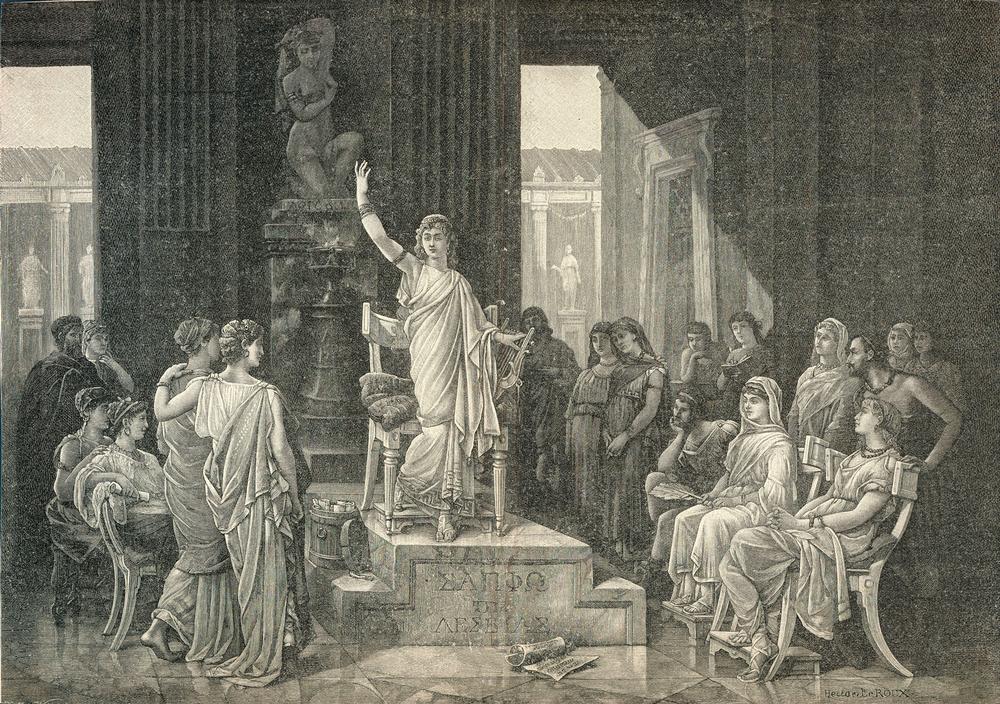
Poetry is an oral art. It precedes the page. It was spoken before it was written, remembered before it was archived, recited before it was printed. No one buys a book of poetry for reading it; I buy it to refresh my memory when I need to recite something. A poem must be able to survive without visual scaffolding; it should hold when spoken aloud in the street, in a room, or in memory, with no paper in front of the reader. If the verse collapses the moment its formatting is removed, then the poem was never strong to begin with.
The obsession with layout confuses presentation with substance. Typography becomes a crutch for weak rhetoric. Instead of rhythm, cadence, and precision of language, you lean on white space and visual surprise. This distracts both you and your reader from what actually matters: the force of the line, the clarity of the image, the inevitability of the phrasing. You think it’s smart, but poetry does not gain meaning because a word is shifted three spaces to the right; it gains value because the word is the right one, placed at the right moment.
Worse still, fancy formatting flatters the poet into thinking something meaningful has been achieved when nothing has. The visual gesture only creates an illusion of depth. It allows the writer to stop short of the harder work; discipline, compression, memorability. The result is poetry that cannot be recalled, nor recited, and far less endure. A poem that exists only as a layout is graphic design, not literature.
There is also an implicit arrogance in this trend. It assumes the reader must sit obediently before the page, decoding spatial instructions as if consulting a map. But poetry has never required such compliance. The great poems of the past carry their structure internally, through sound and sense, not through visual choreography. They trust language to do the work.
Don’t get me wrong, this is not a rejection of form. On the contrary, it is a defense of it. Meter, rhyme, repetition, parallelism; these are formal constraints that sharpen thought and language. Arbitrary formatting does the opposite. It dissolves responsibility. If anything can be justified visually, it means that nothing is justified intellectually.
If formatting adds nothing when the poem is spoken aloud, then it has no value. If it cannot survive memory, it does not deserve the page. The verse should aim to be carried by the voice and retained by the mind. Anything that distracts from that aim is not innovative; it is indulgent. And when indulgence replaces craft, calling it out is not cruelty; it is clarity. Frankly, the whole thing is dumb.