Horror is a genre that still receives much undeserved negativity. It is, after all, a genre that displays the most variety: witches and vampires, ghouls and gremlins, killer forests and unforgiving ghosts. Whether it is a masked killer stalking in the night, a haunted house full of specters, or horrid creatures lurking in the shadows, the horror genre provides space for creativity in ways that other genres struggle to achieve.
Horror’s most curious characteristic remains the effect on the reader. Terrifying moments of suspense carry an inherent initial fright that reverberates throughout the human body. The voyeuristic experience of witnessing brutal acts of violence, in essence, helps to ease the reader’s anxiety in the outside world. Horror acts as a mirrored lens that allows for the expression of fear and frustration, opening the door for readers to encounter feelings that normally remain hidden.
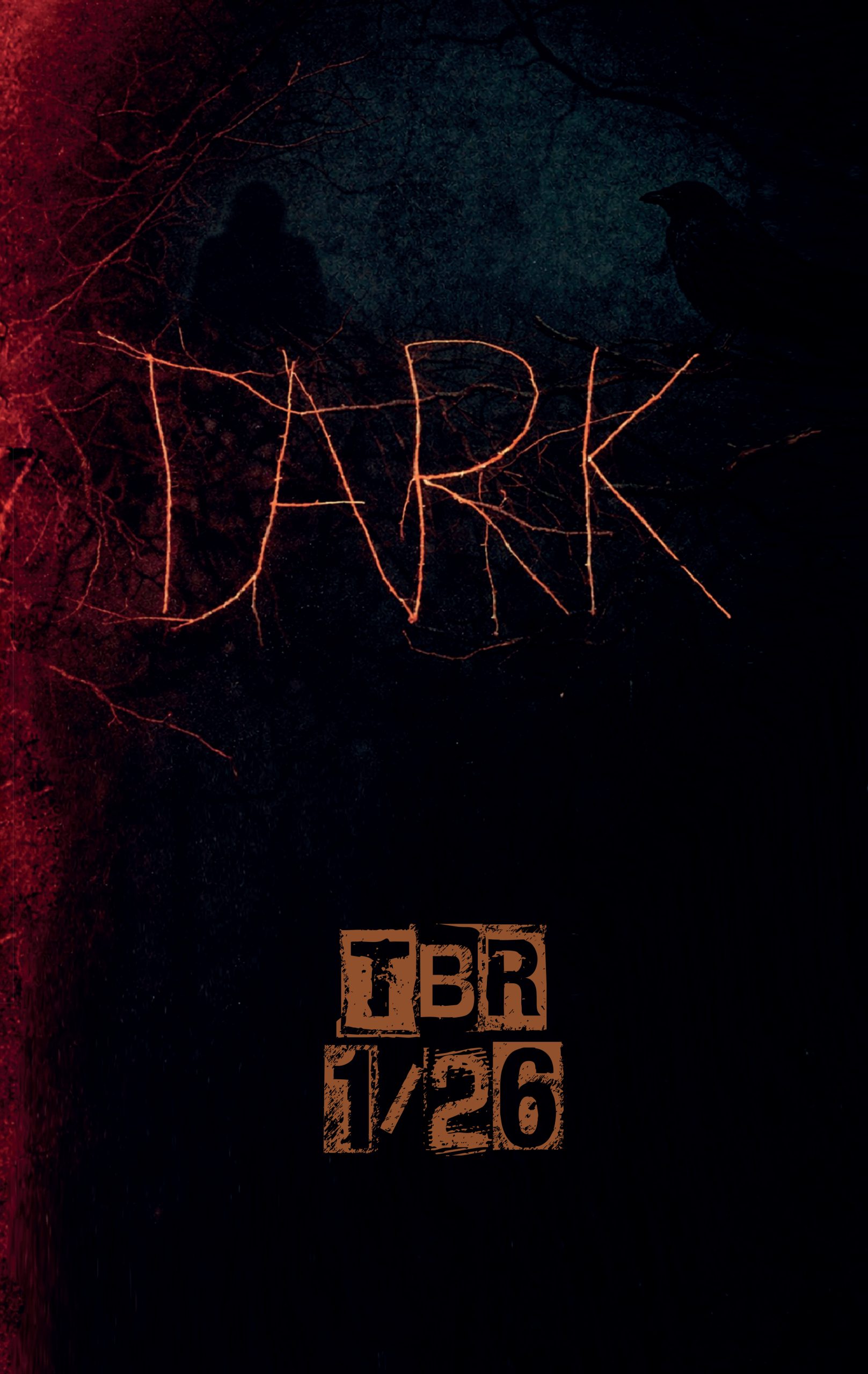
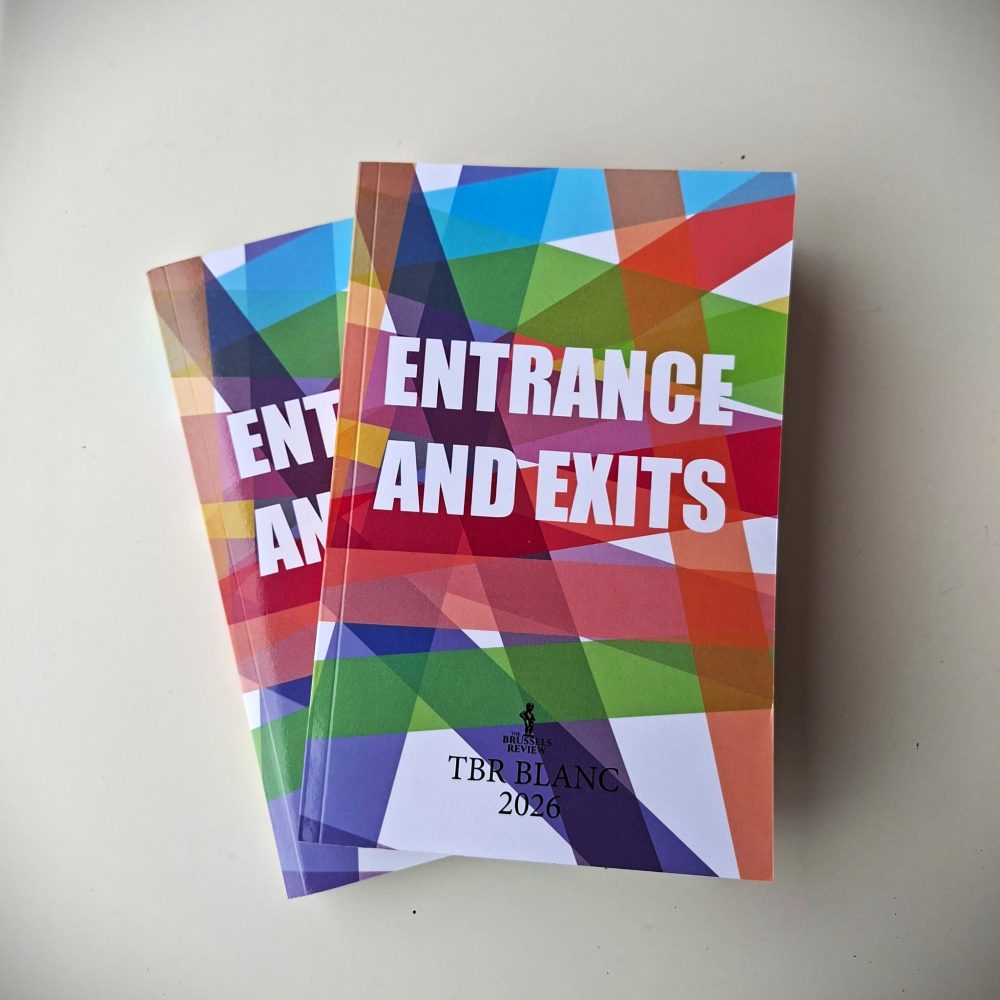
TBR Dark serves to enhance the reading experience by offering a wide variety of works that not only expose the emotional and psychological effects of horror but also provide a level of relatability by targeting topics from everyday life and thus establishing an intimate connection between reader and author.
Patrick ten Brink opens this collection with “Mycelium Heartbeat,” a chilling narrative where the initial terror of botanical horror and physical transformation is slowly transmuted into a profound and unsettling meditation on grief and the search for an eternal, symbiotic solace.
Raleigh Van Natta’s “Mile 66” is a brutal confrontation with the elemental nature of grief that explores the constraints of mortality. In a sharp thematic pivot, Van Natta’s “Five Minutes” transforms the concept of perfect power into an existential nightmare of infinite repetition.
Femke van Son’s “Piece by Piece” explores the terminal stage of the tortured artist trope, where a desperate and deadly need for critical praise escalates into a horrifying practice of body horror and permanent self-mutilation for the sake of art.
Dana Wall’s “Ripples in Memory” investigates the chilling phenomena of forgetful memory, revealing the mind’s mysterious failures to be not a natural cognitive decay, but the unsettling and purposeful result of an unseen, malevolent intelligence meticulously rewriting a shared reality.
A.M. Castro’s “Onions” presents an intricate and claustrophobic dystopian world where the slightest transgression against the system leads to swift, brutal subordination and a profound, permanent emotional and physical castration of the individual.
Timothy Reynolds stretches the bounds of perspective in “Moloch,” utilizing an eerie, second-person narrative that employs a conversational, intimate tone to lull the reader into a false sense of security, only to shatter it with a growing escalation of peculiar and deeply unsettling occurrences.
From the creative mind of Bobby Sorensen emerges “The People in Things.” The story pairs human souls with everyday objects – an idea that quickly transforms a playful plot device into a tortured, heartbreaking allegory of emotional paralysis and permanent, agonizing imprisonment.
Leah Erickson’s “Chrysalis” injects the collection with a jolt of whimsy and electrifying innovation, spinning a truly remarkable tale of two haute couture fashionistas whose obsessive penchant for the six-legged world blurs the line between exquisite aesthetic beauty and grotesque, entomological obsession.
In “Tiny Acts of Vengeance,” Peter Mangiaracina navigates the murderous missteps of a psychopathic husband, presenting his heinous acts not as crimes but as a misguided, desperate act of rebellion that he must relentlessly justify to his wife.
“How to Murder Your Husband’s Cat and Get Away with It” by D.C. Martin is a piece of satirical, introspective horror that chronicles one woman’s darkly hilarious descent into madness as she attempts to reclaim her husband’s attention from his beloved feline rival, leading to an inevitable, desperate, and misguided act of animal-oriented vengeance.
Logan Molen’s debut, “A Cabin Dinner,” introduces a rich, fantastical world where humans and strange creatures coexist, setting the stage for a dramatic and unsettling meal where the monster is not the one with the terrifying form, but the one wearing the most convincing mask.
Christian Emecheta’s “The Quiet Past of Eldridge Hollow” masterfully utilizes the atmospheric haunted-town trope as a device to dissect the corrosive themes of community trauma and complicity, revealing that the true terror lies not in ghosts, but in the collective power of selective recognition and willful forgetting.
“Letting People Go” is Arthur Mandal’s chilling twist on the Dorian Gray fable – a real-life distortion realized through the ugly mind of a daughter, jealous of her successful mother.
Adrianna Kaminska’s “The Funeral” delves into the isolating intricacy of profound grief, exploring the depths of partnerless loneliness until the silence of the bereavement is broken by a chilling and unbidden visitation.
Baylee Marion’s “Grandma’s Spices” lifts the pristine veil from a family’s entrenched legacy of privilege, exposing a generations-old, disgusting secret at its core that poisons the very ancestral recipe of their success.
J.S. Apsley’s “Jimmy Allen’s Lockbox” explores the danger of forbidden curiosity, demonstrating the catastrophic consequences when an individual unwittingly releases a dark, adversarial power that bleeds through the veil from another, sinister dimension.
Ronald Micci’s “Snatched!” is a peculiar, nostalgic horror story that channels the manic energy of classic Saturday morning cartoons to explore the terrifying reality that unfolds when evil geniuses are granted legitimate, officially recognized power.
In “Carpenter,” John Tavares frames the gruesome settling of decades-old heinous crimes against the backdrop of a beautiful Canadian mountainside town, revealing the cold, intricate, and unforgiving calculus required to perfectly execute long-deferred vengeance.
Olaf Baumann’s “Diary of a Resurrectionist” follows a priest whose crushing grief and unforgiving personal sins drive him to abandon his clerical vows, embarking on a profane pursuit of macabre comfort that ultimately leads to a terrifying desecration of the sacred.
Joana Oliveira closes the collection with “First Recovered” – a story that presents a chilling vision of ultimate poetic justice, where the consequences of a lifetime of illicit construction ensnare a villain in a macabre structure of his own, final design.
Reader, let these writers reach a dark claw into your soul, twisting your insides with shrieks of horror. Let them lead you into darkness and experience how true terror fractures your mind. What lurks in the shadows of these creative psyches shall be revealed, and with it, the world of fiction expands yet again.
Your Editor,
Tereza Krasteva